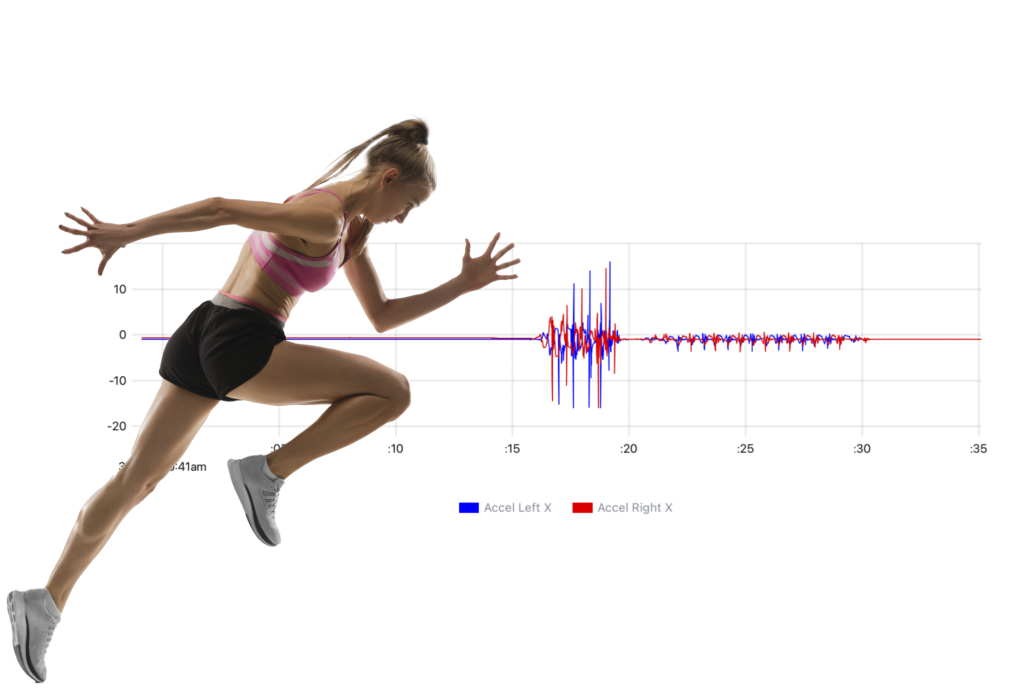
High-Intensity Interval Training (HIIT) has been gaining popularity in the fitness world for its effectiveness in burning fat and improving overall fitness levels. HIIT involves short bursts of intense exercise followed by brief periods of rest or low-intensity exercise. This type of training challenges the body in a way that traditional steady-state cardio does not, resulting in greater calorie burn and improved cardiovascular fitness.
There are many benefits to incorporating HIIT into your workout routine. One of the main benefits of HIIT is its ability to burn more calories in a shorter amount of time compared to traditional steady-state cardio. Studies have shown that HIIT can increase calorie burn for up to 24 hours after the workout, known as the afterburn effect. This means that even after you have finished your HIIT workout, your body continues to burn calories at an accelerated rate.
In addition to burning more calories, HIIT has been shown to improve cardiovascular fitness. By pushing the heart rate to near-maximum levels during the intense intervals, HIIT can help improve the heart’s ability to pump blood efficiently, leading to a stronger cardiovascular system. This can reduce the risk of heart disease and other cardiovascular conditions.
HIIT is also effective in building lean muscle mass. The short bursts of intense exercise can help increase muscle strength and definition, leading to a more toned physique. Additionally, HIIT has been shown to improve insulin sensitivity, which can help regulate blood sugar levels and reduce the risk of developing type 2 diabetes.
Another benefit of HIIT is its versatility. HIIT workouts can be modified to suit any fitness level, making it accessible to beginners and advanced athletes alike. Whether you are just starting out or looking to take your fitness to the next level, HIIT can be tailored to meet your individual needs and goals.
If you are new to HIIT or looking to incorporate it into your workout routine, there are some key tips to keep in mind. First and foremost, it is important to warm up properly before starting a HIIT workout. This can help prevent injury and prepare your body for the intense exercise ahead. A dynamic warm-up that includes movements such as jumping jacks, high knees, and arm swings is recommended to get the blood flowing and the muscles primed for action.
When performing HIIT, it is important to push yourself to near-maximum effort during the intense intervals. This is what will elicit the greatest benefits from the workout. However, it is also important to listen to your body and know when to take breaks if needed. It is better to rest briefly and continue with the workout than to push yourself to the point of exhaustion or injury.
Incorporating a mix of different exercises into your HIIT routine can help keep things interesting and prevent boredom. This can include exercises such as burpees, sprints, jump squats, and mountain climbers. By changing up the exercises and intervals, you can keep your body guessing and continue to see progress over time.
Lastly, it is important to cool down properly after a HIIT workout. This can help lower your heart rate and prevent muscle soreness. A combination of static stretching and foam rolling can help release tension in the muscles and aid in recovery.
In conclusion, High-Intensity Interval Training (HIIT) offers a variety of benefits for those looking to improve their fitness levels and burn more calories. By incorporating HIIT into your workout routine and following the tips outlined above, you can achieve your fitness goals and see results in a shorter amount of time. So why wait? Give HIIT a try and experience the benefits for yourself.